


A Wayne County Homeowner's Guide to Common Well Water Problems
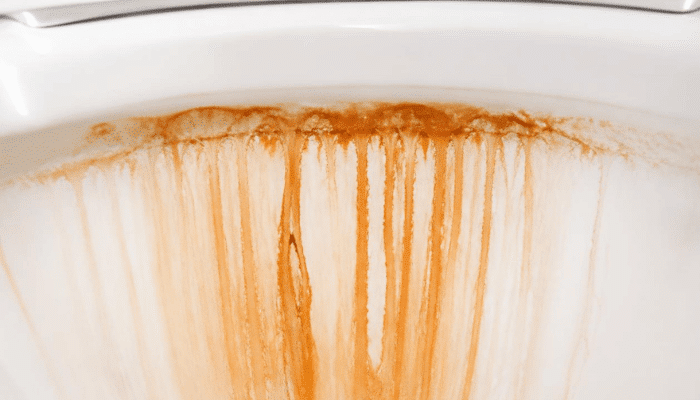
You've probably gotten used to it. The faint rotten-egg smell when you fill a glass at the sink. The orange stain that keeps creeping back into the toilet bowl no matter how often you scrub. The way the coffee just tastes a little… off. When you're on a private well — like a whole lot of families out here in the country are — those quirks can start to feel normal.
They're not, though. Your well water is telling you something about what's in it, and most of what it's saying is fixable. Here's how to read the signs.
Well Water Is a Way of Life Out Here — and It Comes With Its Own Issues
Plenty of homes across rural Eastern North Carolina pull their water straight from the ground, and that water picks up whatever is in the soil and bedrock around it. That's not a bad thing on its own, but it does mean well water tends to come with a handful of recurring issues that city water usually doesn't. The three big ones we run into are sulfur, iron, and bacteria.
That Rotten-Egg Smell Is Usually Sulfur
If your water smells like rotten eggs, you're almost certainly dealing with hydrogen sulfide. It's more of a nuisance than a danger at typical levels, but it's unpleasant, it can leave a taste, and it can slowly corrode metal fixtures and even eat at the anode rod in your water heater. The smell won't go away on its own — it needs the right treatment to knock it out at the source.
Orange and Brown Staining Points to Iron
Rusty streaks in your sinks, tubs, and toilet, orange spots on the laundry, chalky buildup on fixtures — that's usually iron, sometimes with manganese along for the ride. Beyond the staining, high iron can clog fixtures and appliances over time. It's one of the most common reasons Eastern NC homeowners ask us about a water filtration system built for their specific water.
The Problem You Can't See or Smell: Bacteria
This is the one that matters most for your family's health. Coliform bacteria don't change how your water looks, tastes, or smells — the only way to know they're there is to test for them. If your well hasn't been tested in a year or more, or ever, that's the place to start.
Not Sure If It's Hard Water or Something Else?
Well water problems and hard water can overlap, and the fixes aren't the same. If your main complaints are spotty dishes, poor lather, and chalky buildup, hard water is a separate issue worth understanding before you decide on treatment. The right solution depends entirely on what's actually in your water — which is why we always start there.
Testing First, Then the Right Fix
There's no one-size-fits-all filter for well water. The smart move is to test, find out exactly what you're dealing with, and match the treatment to it — so you're not paying for a system that solves a problem you don't have.
If your well water is staining, smelling, or just not sitting right with you, call C&M Plumbing & Septic at 919-658-6109 or reach out to our team. We'll help you figure out what's in your water and what it'll take to fix it.