


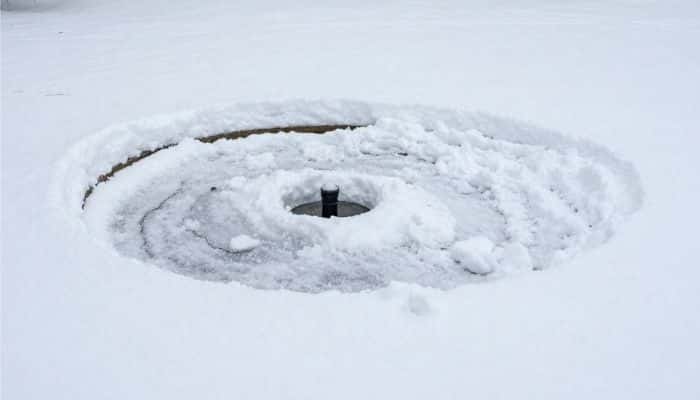
Recognizing Septic System Distress During Cold Weather
Winter can be especially hard on septic systems. Frozen ground, compacted snow, and heavier indoor water use all put extra stress on your system. The good news is that septic problems usually show warning signs before a full backup happens. Catching them early can save you from major repairs and messy emergencies.
Here’s what homeowners should watch for, especially during colder months.
Common Indoor Signs of Septic Trouble
Some of the earliest signs show up inside your home. These symptoms often mean wastewater is not moving through the system as efficiently as it should.
Slow drains
If sinks, tubs, or showers are draining more slowly than usual throughout the house, your septic system may be struggling to process wastewater.
Gurgling sounds from plumbing or toilets
Bubbling or gurgling noises can indicate trapped air caused by restricted flow in the septic line or tank.
Toilets flushing slowly or backing up
A toilet that hesitates, flushes sluggishly, or backs up repeatedly is a strong warning sign, especially if plunging does not solve the issue.
Sewage odors inside the home or near drains
Unpleasant smells inside bathrooms, kitchens, or near floor drains can signal that sewage gases are not venting properly due to a stressed system.
Water is backing up into the lowest drain
Water or sewage backing up into a basement floor drain is often one of the most serious early indicators that the system is close to failure.
Outdoor Warning Signs to Watch for in Winter
Even when the ground is frozen or snow-covered, your septic system can still show signs of trouble outdoors.
Sewage odors outside
Foul smells near the septic tank or drain field may mean wastewater is surfacing instead of being properly absorbed.
Standing water or soggy soil
Pooled water or unusually soft ground over the septic tank or drain field can indicate the system is overloaded or not draining correctly.
Unusual grass growth or snow melt patterns
Grass that stays greener than the surrounding yard or snow that melts faster over the septic system may point to excess heat or moisture from leaking wastewater.
Why Winter Makes Septic Problems More Common
Cold weather can freeze pipes, compact soil, and reduce how efficiently the drain field absorbs water. Combined with increased indoor water use, these conditions make winter one of the most common times for septic issues to surface.
What to Do If You Notice These Signs
If you notice one or more of these warning signs, it is important not to ignore them. Avoid running extra water and contact a professional as soon as possible. Early intervention can often prevent a full backup or system failure.
Need Help With a Winter Septic Issue?
If your septic system is showing any of these warning signs, our team is here to help. We can inspect your system, identify the problem, and recommend the right solution before it turns into an emergency.
Call us today at 919-658-6109 or contact us online to schedule a septic inspection and keep your system running safely all winter.